Winter Home Safety Checklist
A winter home safety checklist for homeowners covering frozen pipes, heating systems, fire prevention, insulation, snow removal, and inspections to protect your home during cold weather.
Essential Tips to Protect Your Home During Cold Weather From HouseMaster Home Inspections
A proactive approach now can help prevent costly repairs and keep your home safe all winter long. Winter brings beautiful snowy days, but it also presents unique challenges for homeowners. Cold temperatures, dry air, and increased heating use can strain your home’s systems and expose weak points you may not notice the rest of the year.
Taking a few preventative steps before and during the winter season can go a long way in protecting your home, your comfort, and your investment. Below is a winter home safety checklist from HouseMaster Home Inspections to help you stay ahead of common cold-weather issues.
- Prevent Frozen Pipes
Frozen pipes are one of the most common, and costly, winter hazards. When water freezes, it expands, increasing pressure inside the pipe and potentially causing it to burst.
Prevention tips:
- Insulate exposed pipes in garages, attics, basements, and crawlspaces.
- During extreme cold, let faucets drip slightly to keep water moving.
- Open cabinet doors under sinks to allow warm air to circulate around plumbing.
- Maintain Your Heating System
Your heating system works overtime during the winter months. Proper maintenance ensures efficiency, safety, and reliable performance when you need it most.
What to do:
- Schedule an annual HVAC inspection before or early in the season.
- Replace furnace filters monthly (or according to manufacturer guidelines).
- Pay attention to strange odors, unusual noises, or uneven heating between rooms.
- Reduce Fire Hazards
Winter is peak season for home heating fires, often due to fireplaces, space heaters, and overloaded electrical systems.
Protect your home by:
- Having chimneys and fireplaces professionally cleaned and inspected.
- Keeping space heaters at least three feet away from furniture, curtains, and other flammable materials.
- Testing smoke detectors and carbon monoxide detectors regularly and replacing batteries as needed.
- Seal Doors and Windows
Drafty doors and windows can significantly increase heat loss, making your heating system work harder and driving up energy bills.
Quick fixes include:
- Adding or replacing weatherstripping around doors and windows.
- Caulking exterior gaps and cracks.
- Using thermal or insulated curtains, especially in older homes.
- Clear Snow and Ice Safely
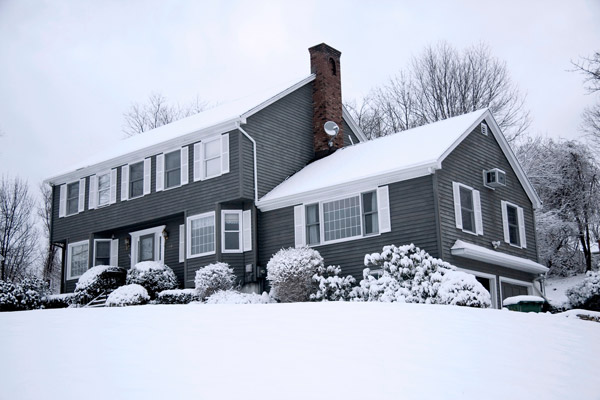
Snow and ice buildup can create safety hazards and cause long-term damage if left unaddressed.
Best practices:
- Keep walkways and driveways clear to prevent slips and falls.
- Remove snow and ice from gutters and roof edges to prevent ice dams.
- Use pet- and plant-safe de-icers around your home and landscaping.
- Consider a Winter Home Inspection
A professional home inspection can identify potential issues before they turn into expensive repairs. Inspectors can uncover concerns such as insulation gaps, ventilation problems, roof issues, or structural vulnerabilities that may worsen in winter conditions.
Why Winter Home Safety Matters
Staying ahead of winter maintenance helps:
- Protect your home’s structure and systems
- Improve comfort and energy efficiency
- Reduce emergency repairs and unexpected costs
- It also keeps your home in stronger condition should you decide to sell in the future.
Ready to Talk About Your Home’s Next Chapter?
Whether you’re looking to buy, sell, or explore your options, Amie is here to help. Contact Amie Pisano for a private tour or to discuss your real estate goals in Westchester County.
914.715.2632